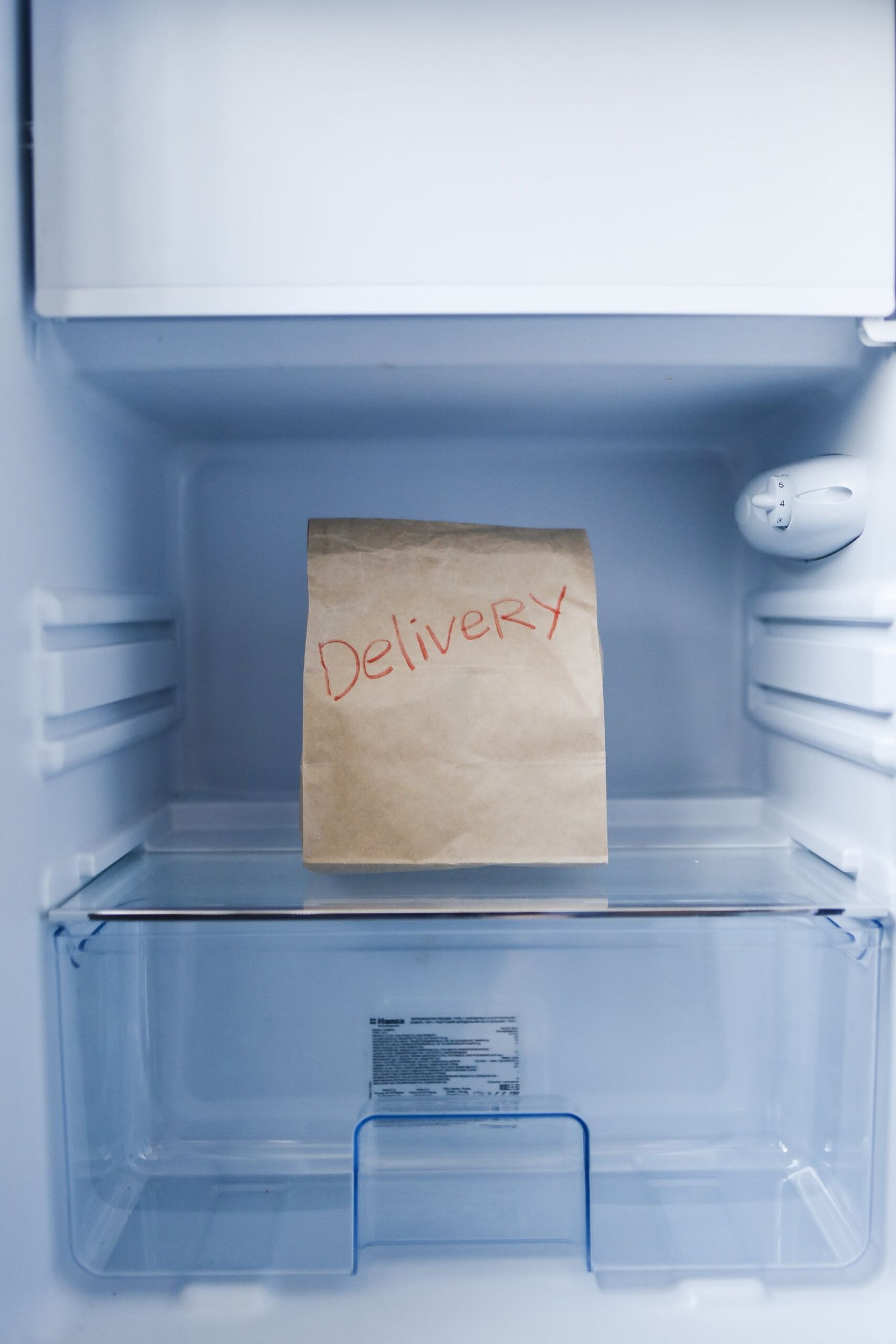
The last few weeks in our house have been… a lot.
This post contains affiliate links, which means I may earn a small commission — at no extra cost to you — if you purchase through them. Thank you for supporting this blog!
A medical procedure. A car accident. And, because apparently we needed one more thing on the pile, our refrigerator decided to give out too. If you’d told me a month ago I’d be juggling all three at the same time, I wouldn’t have believed you.
I want to start by saying we are lucky. No one was hurt in the accident, and the medical procedure went smoothly — those are the two things that actually matter, and I don’t take either for granted. We were even able to repair the fridge instead of replacing it, which felt like a small win in a season that hadn’t given us many. Now that it’s back up and running, I’ve also been reorganizing it with a few fridge bins so restocking from scratch is actually easier to keep tidy than it was before.
But “small win” still meant two weeks of eating out, a portable cooler on the kitchen floor standing in for a refrigerator, and every single thing that had been in our fridge and freezer gone. Groceries, meal prep, the leftovers I’d tucked away for busy nights — all of it.
Starting Over in the Kitchen
Here’s the thing about losing everything in your fridge at once: it’s not just annoying, it’s expensive. Two weeks of takeout and convenience food adds up fast, and then you’re staring down a grocery trip where you basically have to restock a kitchen from zero. No half-used jar of anything to fall back on. No “oh, we still have that in the freezer.” Just an empty fridge and a budget that’s already taken a hit from everything else going on.
So this week is about resetting — carefully, and on a budget we can actually stick to. That means going into the grocery store with an actual plan instead of wandering the aisles overwhelmed (and overspending, which is exactly what happens when I shop hungry and unplanned, which, let’s be honest, is often).
The Tool That’s Making This Easier
I built myself a printable weekly meal planner for exactly this kind of week — one where I need to think about what we’re eating, what it costs, and what actually supports the goals I’m working toward, without adding more mental load to an already full plate.
It’s simple on purpose:
- A weekly meal grid for breakfast, lunch, dinner, and snacks, so I can see the whole week at a glance instead of deciding meal-by-meal (which is how you end up ordering delivery again)
- Blank calorie and protein fields at the top, so you can fill in your own targets instead of working around numbers that aren’t yours
- A daily tracker strip for calories, protein, and water
- A grocery list organized by category — produce, protein, dairy, pantry, frozen, snacks — with a spot to estimate cost per item. I brought along an insulated cooler bag for the drive home so the cold stuff actually stayed cold.
- A weekly budget bar with space for what you planned to spend, what you actually spent, and what’s left
- A meal-prep notes section for batch cooking, because after two weeks of eating out, I need meals that reheat well more than I need anything fancy — these freezer-safe containers have been doing a lot of the work this week.
Filling it out before I even walked into the store this week did two things: it kept my grocery total from spiraling, and it took the “what’s for dinner” decision fatigue off the table for seven straight days. When you’re already tired from everything else life is handing you, that second part matters more than I expected.
Grab the Printable
If your week (or month, or season) has looked anything like ours, I made this free to download and print. Fill in your own calorie and protein goals, use the grocery list to restock smart, and let the planner carry some of the mental load for a few days.
[Download the Weekly Meal Planner + Grocery List (PDF)]
A few things that are making this reset week easier, if you’re stocking up too:
Taking Back Control, One Honest Step at a Time
I’m not going to pretend this week is perfectly planned or that our budget is exactly where I want it. It’s not. But having a plan for what we eat and what we spend is one thing I can control when so much else has felt out of my hands lately. If you’re in a similar stretch — whatever caused it — I hope this helps you get back to a full fridge and a calmer week a little faster than we did.
For more practical ideas, read Family Organization Tools for Busy Families and Strategies to Organize and Simplify Family Life.